


Twenty-plus years on the felt has taught me tournament roulette behaves nothing like a Saturday-night cash game. Players who chase the next spin often leave wondering where their stack went. The smartest decisions I have seen start with straight questions about format, scoring, and how the operator runs the room. This guide walks through those questions, but first it pays to sanity-check the ruleset and the operator licence at https://gargopermits.com/ before you sit down at a casino tournaments roulette event at your local room.
How does the format actually shape your night?
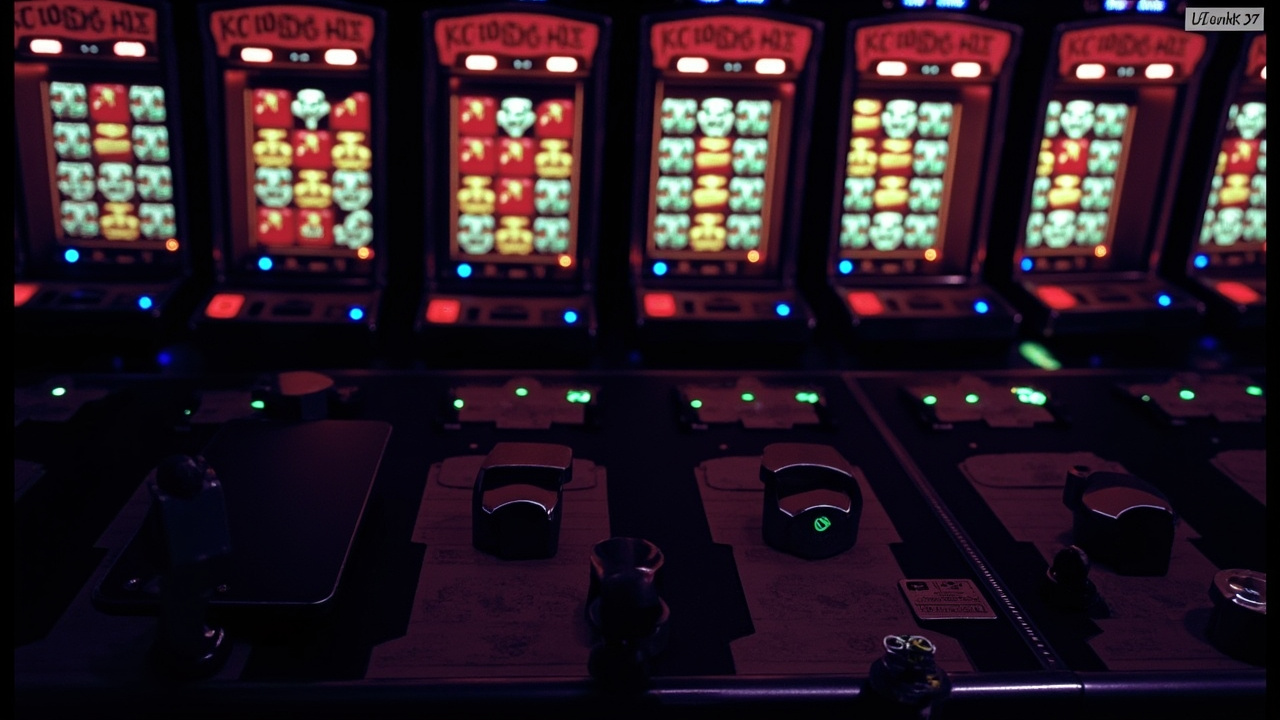
I reckon three formats dominate the Aussie casino tournaments roulette circuit, and each punishes a different habit I have watched at the table over twenty-plus years. The first is the chip-up: everyone starts with an equal bank, the longest stack after a set number of rounds advances. The second is timed heats, where fixed minutes decide your place on the leaderboard. The third is elimination, often a hybrid, where the bottom three after each round drop out.
Tournament scoring is a separate skill from cash-game play. In a standard session a single straight-up win pays 35 to 1 and you collect cash. In a tournament heat, that same spin earns 35 points toward ranking, and the player with the most points after twenty spins, not the most cash, moves through. The rhythm changes: conservative inside bets stretch a stack but rarely climb a leaderboard, while aggressive splits and corners can shoot you up or burn you out in two spins.
Rulesets also vary, more than most brochures admit. Tournament directors in Hobart often run shorter round times than their Sydney or Melbourne counterparts because the average Saturday crowd is younger and faster on the app. Scoring variations are not unique to roulette either; mahjong scoring varies by regional ruleset across Australian clubs, and the same caveat applies to any wheel-based competition. When in doubt, walk back to the podium and ask which rulesheet is in play. The printed sheet near the entry is not always the one being used at the table.
How usable is the room and the screen around you?
I have lost count of how many players blame bad luck when the real culprit is a confusing interface. In a tournament, where the clock and leaderboard both tick, every extra second hunting for a button costs you. A well-run room shows three things in plain view: the timer, the standings, and the buy-in rules.
Visual identity matters more than marketing suggests. The rooms I have supervised that kept players relaxed used warm but even lighting, large layout diagrams on each table, and a single colour code for inside, outside, and call bets. Confusing entrance signage is a tell the operator has not invested in the floor. On the digital side, a tournament lobby should be two taps from the buy-in button, and the leaderboard should refresh without a page reload.
Localisation is the second test. An Australian-friendly room presents buy-ins in AUD, shows times in your local state, and offers the responsible-gambling tools your state regulator requires without burying them in a footer. The search bar should accept plain English – type “Saturday heat” or “Hobart 8pm” and the right event should surface. The table below summarises the basics any player should be able to confirm in under a minute.
| What to check | Why it matters |
|---|---|
| Currency shown in AUD | No surprise FX fees on a winning stack |
| Round timer visible from every seat | Stops arguments about clock drift |
| Leaderboard refresh rate | A lag over ten seconds costs bets |
| Responsible-gambling links in the lobby header | Easier to set a deposit cap before the first spin |
| State-specific 18+ verification prompt | Required in Tasmania, NSW, VIC and beyond |
If any of these are missing, defo move along. I have seen players lose a full round hunting for a hidden verification step while the tournament kept running without them. The cheapest way to enjoy one is to find a room that respects your time as much as its own bottom line.

What should the operator and the room actually be doing for you?
A good tournament operator earns the room’s trust long before the first chip is sold. In my two decades I have worked under floor managers who ran a tight ship and a few who treated players as a captive audience, and the difference shows up in the small things. Clear heat sheets, posted round times, a visible clock at every table, and staff who can answer a rules question in plain English are non-negotiable.
Tasmanian venues and their mainland counterparts each handle buy-in verification in their own way, and the Hobart rooms I have trained staff in tend to run shorter heats because the crowd is busy as anywhere else on a Friday arvo. Mobile sign-up has become the norm for Australian tournament players, and a clunky app is a deal-breaker; some rooms even time their final round to clear the floor before the first bounce of a Friday night AFL match.
One last judgement call from twenty-plus years behind the rail: any tournament that advertises an “up to” jackpot figure is selling a headline, not a typical outcome. The median prize in most Australian roulette tournaments I have staffed is a fraction of the splash number, and the rake that funds the top prize comes out of every buy-in. Treat the entry as entertainment and stop when the timer says stop.
For a closer look at format types and budgeting, this walkthrough on Australian tournament play covers the same questions in more detail.
Walk in with your three questions answered, your deposit cap set, and your exit time on your phone. A roulette tournament is entertainment with a leaderboard, not an investment, and the players who treat it that way walk out smiling far more often than the ones who do not. Pick the room that respects the clock, the rules and your limits, and the rest is just luck on the wheel.